
About Michael Lock
Michael Lock, Retired Occupational and Educational Psychologist, now Police Chaplain
Business Psychology 
Until retirement, Michael was registered with the Health & Care Professions Council as entitled to practise as an occupational psychologist.
Michael obtained a post-graduate MSc in Occupational Psychology from the University of Nottingham in 1990. He was one of Professor Tom Cox's first two students on the MSc course at the Institute of Work, Health & Organisations. He became a Chartered Psychologist in 1988, then an Associate Fellow of the British Psychological Society (BPS) with the BPS's Statement of Competence in Occupational Testing (Level B Full) and a member of the BPS's Division of Occupational Psychology (DOP). Michael is co-author of widely translated (French, German, Italian, Finnish, Czech and Brazilian Portuguese) psychometric tests published by Hogrefe. Even in retirement, Michael continues to develop educational materials that explore judgement qualitatively, alongside the formal, standardised instruments published by Hogrefe.

Educational Psychology
Michael was also registered with the Health & Care Professions Council as entitled to practise as an educational psychologist.
Michael obtained his MA in Child Psychology from Professors John and Elizabeth Newsom's Child Development Research Unit (CDRU), University of Nottingham, in 1984. This followed a successful career in teaching, which culminated in him being Head of Year to 390 Year 11 students at Mildenhall Upper School. After obtaining his post-graduate qualification in child psychology Michael worked as an Educational Psychologist (EP) in Nottingham, serving 28 inner and outer city educational and Social Services establishments, ranging from primary schools to FE and sixth form colleges. After five years as a Local Education Authority (LEA) EP, Michael established his own private practice. Up until retirement he specialised in assessing children and adults with difficulties in literacy and numeracy development.
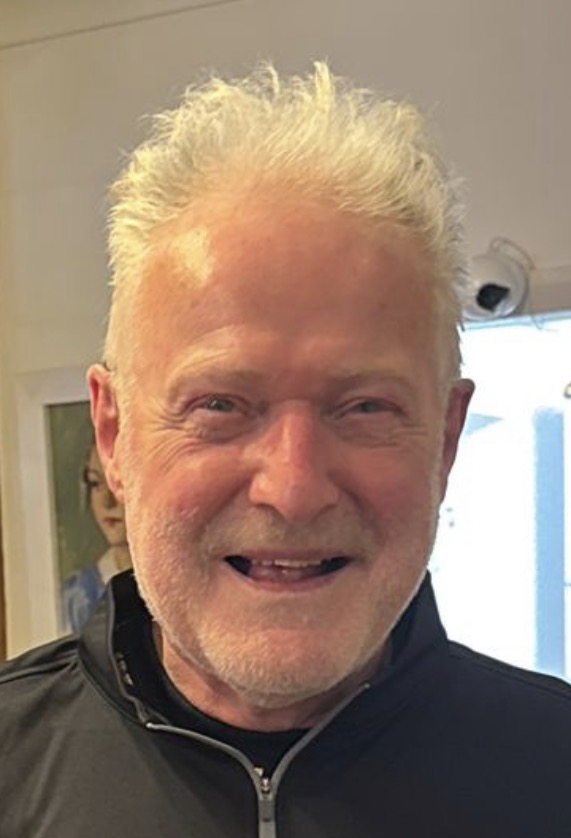
Police Chaplaincy
Mick explains, 'My approach to police chaplaincy is grounded in presence, respect and attentive listening. I see the chaplain’s role not as one of instruction or persuasion, but as offering a calm, trustworthy human presence alongside those who serve in demanding and often emotionally complex circumstances.
'I aim to provide a safe, confidential space in which officers, staff and volunteers can speak freely, whether about work-related pressures, personal concerns, moral uncertainty or simply the accumulation of daily stress. My role is not to solve problems or impose interpretations, but to accompany individuals as they make sense of their own experiences and find their own way forward.
'I work in a way that is inclusive and non-judgemental, seeking to support people of all faiths, beliefs and worldviews, as well as those who hold none. Chaplaincy, as I understand it, is about care, and about recognising the dignity, resilience and humanity of each person I encounter.

'Above all, my intention is to offer quiet support in the background of police life: being available, approachable and dependable; listening with care; and responding with compassion, discretion and integrity. In this way, chaplaincy becomes less about answers and more about accompaniment - standing alongside those who serve the public, whatever challenges they may be carrying.'
Finally, Michael is compelled to share his Mother's story of her experience during the Coventry Blitz: